- Inceptly
- Posts
- Our most-read posts of H2 2025 (And why they hit so hard)🎯
Our most-read posts of H2 2025 (And why they hit so hard)🎯
Every month, thousands of founders and media buyers read the Inceptly blog to stay sharp - not with “best practices,” but with insights that actually move performance.
So as 2025 comes to a close, we looked back at what you clicked, shared, and talked about the most.
Here are the 6 most-read Inceptly blogs from July to December 2025 - each one capturing a key tension the industry wrestled with this year, from creative fatigue to AI ads.
Want to brainstorm with us on new ways to scale your business with YouTube Ads (and other performance video platforms)?
Join us for a free YouTube ad brainstorming session here:
🧠 July: FOMO & loss aversion in the YouTube ad playbook
This piece showed how the fear of missing out still outperforms every new hook formula out there - when used strategically.
We broke down how top YouTube advertisers use loss aversion not just as a gimmick, but as a conversion driver: shifting scripts from “look what you gain” to “look what you’ll lose if you don’t act.”
A must-read if you’re testing emotional levers inside direct response creative.
🚀 August: Creative fatigue? Time for a moonshot.
By mid-year, creative fatigue hit everyone. CPMs rose, hooks died faster, and teams got stuck recycling safe ideas.
This article challenged that pattern - arguing that moonshot creatives (the ones that feel risky and uncomfortably bold) are often the only way out.
It walked through how to diagnose true fatigue, when to reset your testing system, and what it takes to build new creative cycles that scale.
🔍 September: The Branded Search panic button - pausing PMax to “protect” traffic
One of the most heated discussions of 2025.
Should you pause Performance Max to protect your branded search traffic?
This post dissected what actually happens when you do - showing the hidden trade-offs between short-term savings and long-term visibility.
It’s a sharp read for anyone juggling attribution overlap, brand cannibalization, and executive “panic button” decisions.
Demand Gen campaigns quietly changed the way performance media works - and this post broke the code.
Instead of chasing CTR or ROAS, the smartest buyers started using CPM as a predictive signal for auction quality, creative fatigue, and targeting health.
If you missed this one, it’s your field guide to reading Demand Gen data like a pro and spotting early signs of winning (or dying) campaigns.
🥚 November: The genius egg mystery - the ad with an opening that makes no sense
An instant classic.
This teardown explored a viral short-form ad that starts with a line so strange it shouldn’t work - yet drove millions in spend.
We unpacked how confusion, curiosity, and pacing can beat clarity in the first three seconds, and why breaking logic is sometimes the smartest way to win attention.
🤖 December: This AI-generated ad spent $2.5M on YouTube in 30 days
AI finally broke through the performance ceiling.
This analysis covered one of the first AI-generated YouTube ads to hit seven figures in spend - complete with breakdowns of structure, disclaimers, and the human psychology behind its success.
It proved that even as automation scales, old-school direct response rules still drive the wins.
📈 Wrapping up 2025
Across every topic, one thing stood out:
Performance still rewards clarity, emotion, and control.
Whether you’re fighting creative fatigue, fine-tuning Google campaigns, or testing AI ads - these articles show the playbooks that actually held up this year.
If you missed any, now’s your chance to catch up before the next wave of changes hits.
👉 Dive into the full list above - and subscribe to get next year’s insights first.
Want to brainstorm with us on new ways to scale your business with YouTube Ads (and other performance video platforms)?
Join us for a free YouTube ad brainstorming session here:
🎯 Inceptly’s top picks:
Essential reading you can't afford to skip
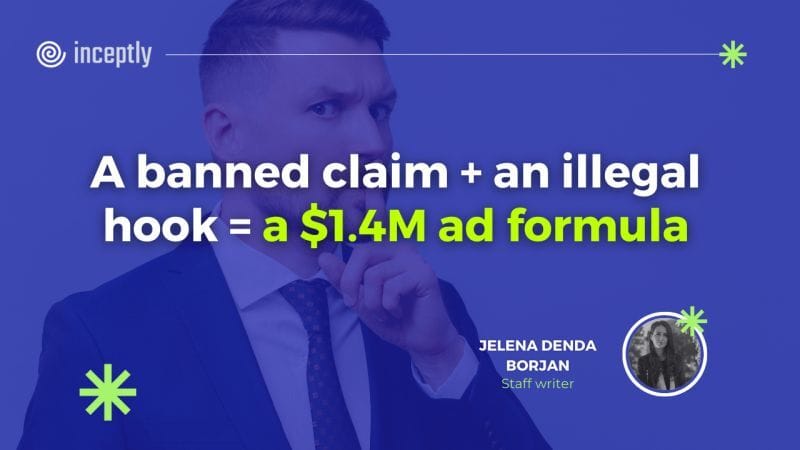
A banned claim plus an “illegal” hook helped this low-budget YouTube ad crush massive competitors and generate millions in results.
Discover the risky psychology behind its hook, why it works, and what it teaches every advertiser about attention, doubt, and real conversions.
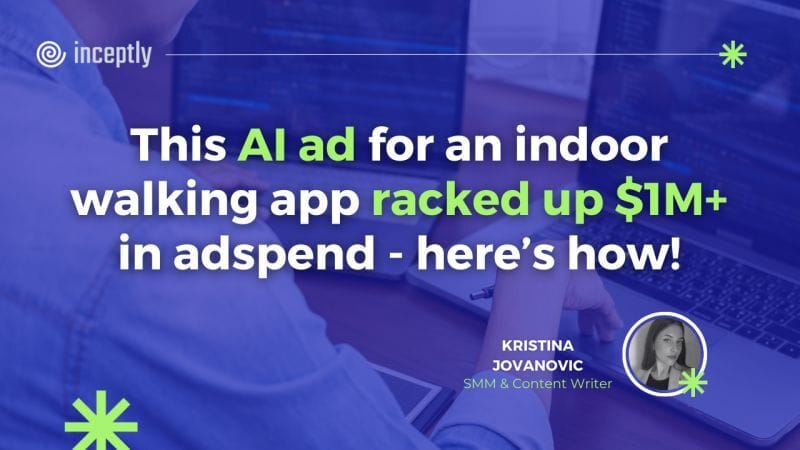
A surprisingly simple AI-generated YouTube ad for an indoor walking app blew past $1M+ in ad spend and kept scaling against expectations.
This breakdown reveals how AI can fuel big-budget performance without manual creative rigs, the psychology behind its hooks, and what every advertiser must learn from it.
Get in touch with us by responding to this email or tagging us on LinkedIn or Instagram and sharing your thoughts. Your feedback helps us keep our newsletter relevant and interesting.
